 Many of you may know that my brother Tim and I have worked for many years on our family’s genealogy. We started with our Mum’s side, the Atyeos, because it’s such an unusual name and we felt we might have more success tracking an unusual name. Keep in mind that we started all this before the Internet (gasp) and sites such as ancestry.com existed. We did a lot of work through the LDS church, ordering microfilms and reviewing the films at local LDS stakes.
Our English Atyeo heritage is primarily in the small towns of Othery and Middlezoy in Somerset county, southwestern England.
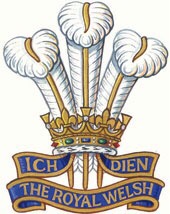
Our Welsh connection comes from my Mum’s Mum–a Welsh Williams. Our grandmother Williams married our English Atyeo grandfather and lived in Wales. He served in a Monmouth regiment first, then in the Royal Welsh (sometimes called Welch) Fusiliers; it is this service period that we were following today.
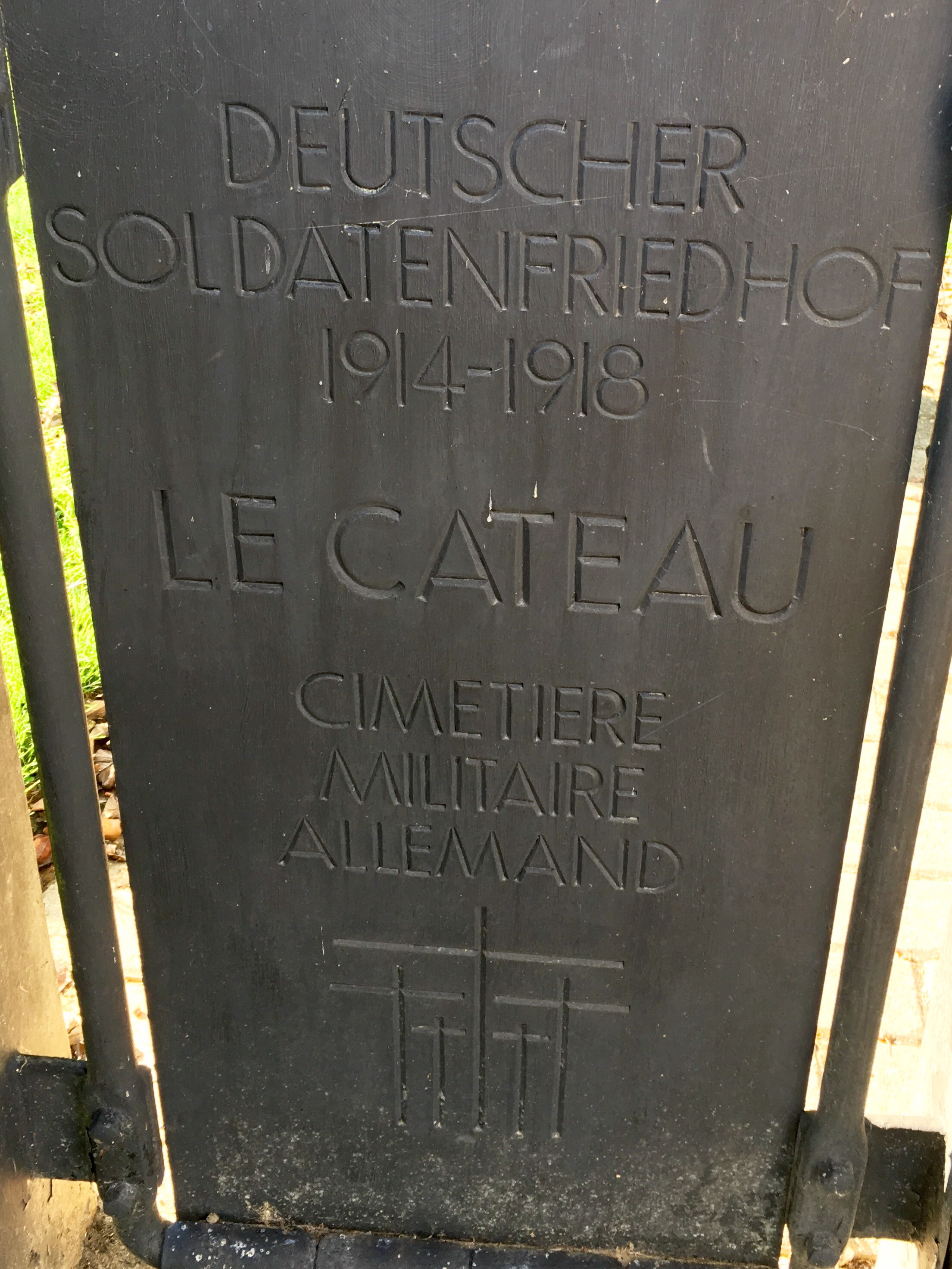
On the way, we stopped at the Cateau-Cambresis international cemetery, which is a German-British cemetery. There was a marked difference between the sides of the cemetery; the German side, although neat, is not manicured like the British side. I much admired that the Commonwealth War Graves Commission (www.cwgc.org) places roses, sedum, Russian sage, tall grasses, and many other plants in front of and around the gravestones. I wish that were allowed at Arlington National Cemetery, where our parents are buried.
From there, we followed our grandfather’s final week of battle by heading to Poix-du-Nord, where the 14th battalion of the Royal Welsh Fusiliers fought. We drove through the Mormal Forest and wondered if the troops had a road to follow or if they were able to only move through the forest itself. We crossed the River Sombres into Aulnoye. It was particularly moving to cross this river and see for ourselves perhaps what our grandfather saw.
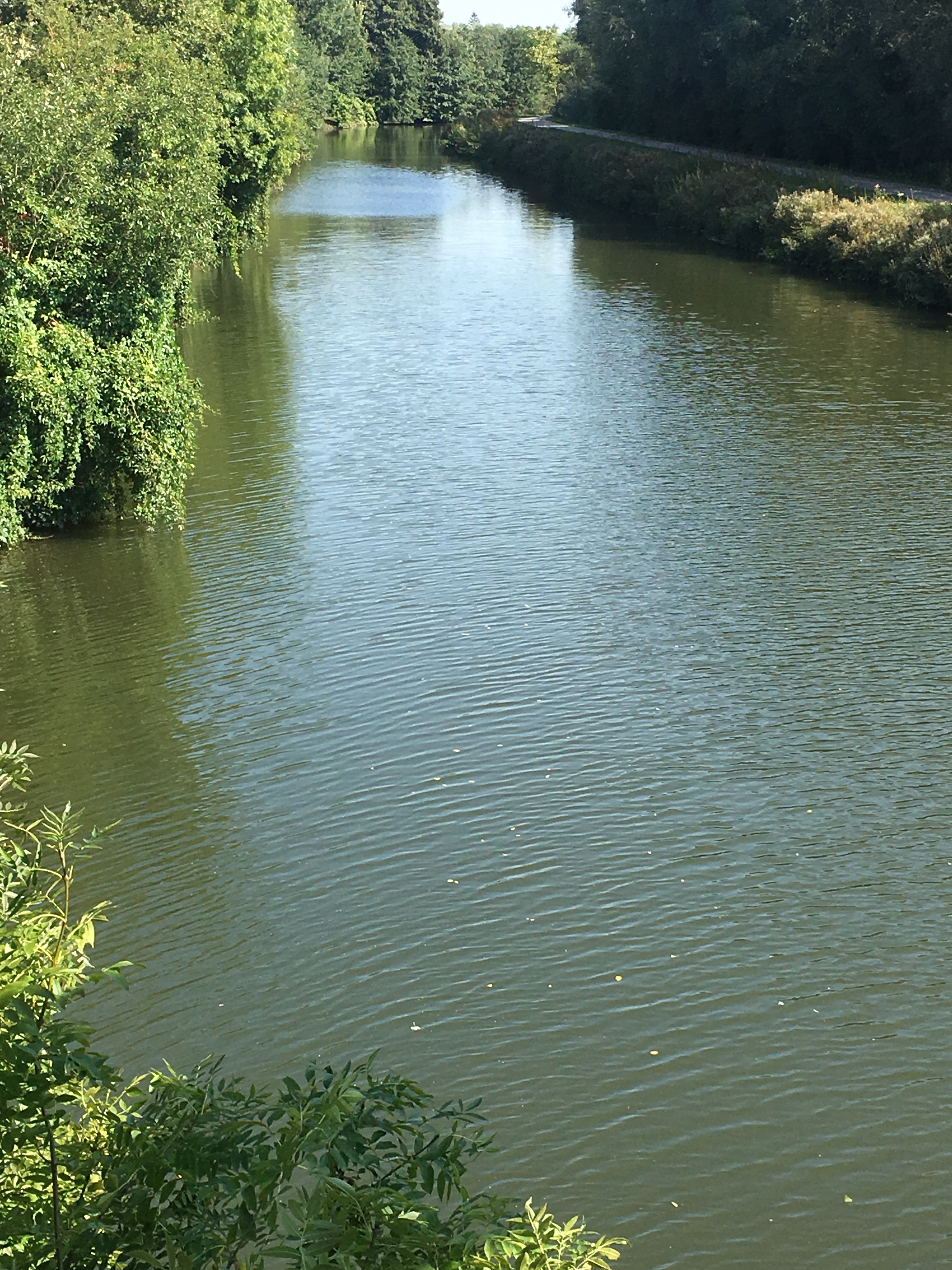
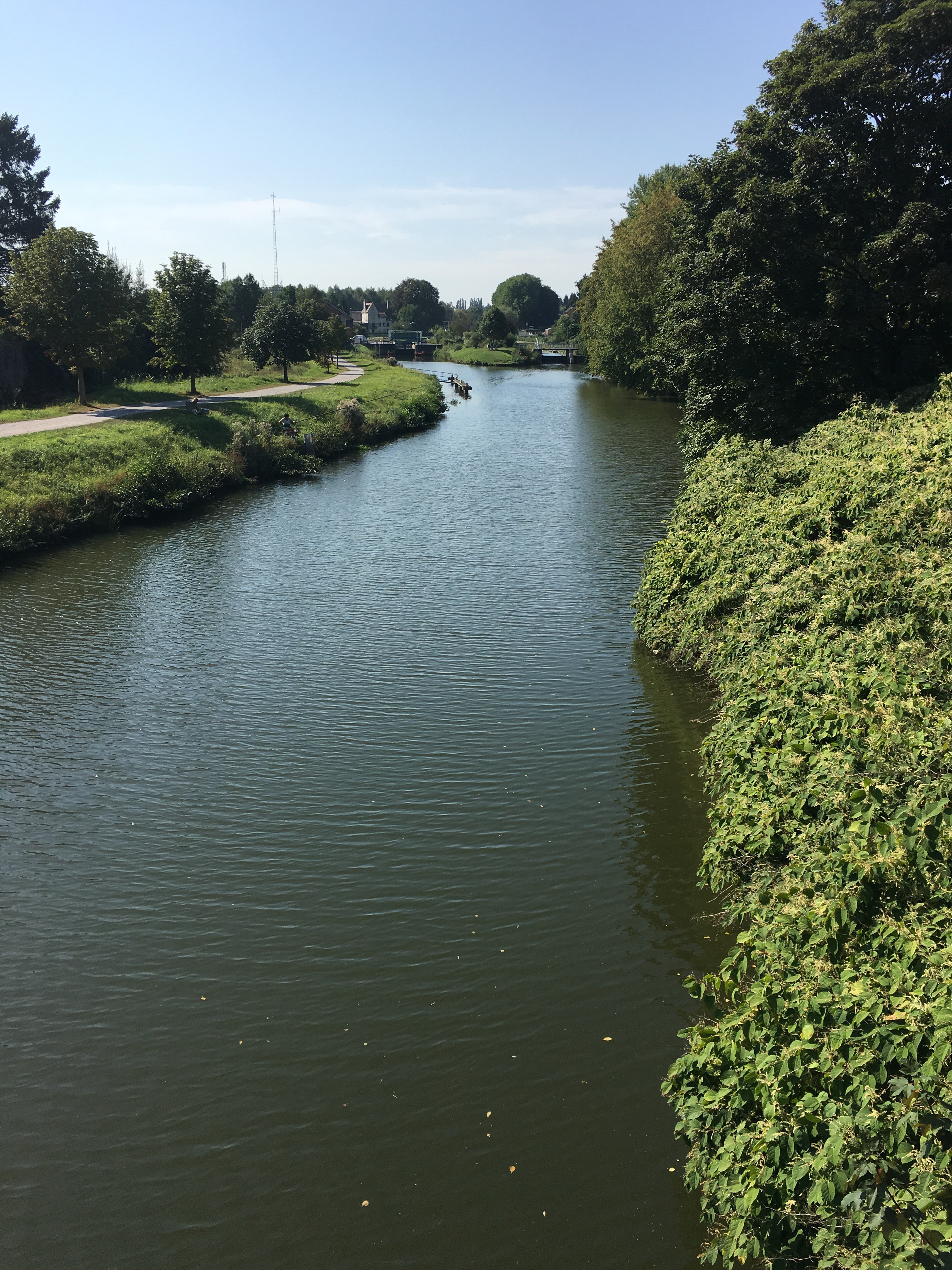
Because the our (and many, many others’) grandfather’s World War I records were destroyed by bombings in World War II, we can only trace his regiment via regimental movement records. We know that his regiment says that Aulnoye allowed the troops “good billets” and that the factories there were on fire. They moved on to Dourleurs (now Douleurs).
Our grandfather was wounded in the leg by shrapnel, which the regiment recorded as severe. He endured more than 20 surgeries in the 3 subsequent years in order to save his leg. He told Andrew that the morning he was wounded he was walking through a field and found a jar of marmalade (German) and promptly ate it!
We know that he was admitted to a field hospital at Dannes Comieres on November 8, but are not sure if he was wounded that day or the day before.
Thanks to Tim for tracing these records and guiding us through France.
 Rhodio